
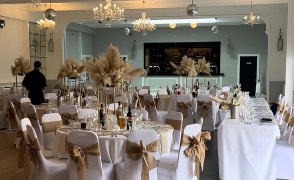
There are many types of wedding venues UK couples can choose from, including luxury hotels, countryside barns, stately homes, palaces, vineyards and intimate country pubs. Choosing the right wedding venue is about much more than simply finding a beautiful building.
Your venue can determine the style of your wedding, how many guests you can invite, how much you spend, where everyone will stay, how they will travel and even which wedding car will look best arriving at the entrance.
A hotel ballroom may offer convenience and an all-inclusive package, while a converted barn can provide countryside character and greater freedom. A country house or palace creates an unforgettable sense of occasion, while a vineyard, orangery or intimate country pub can offer something completely different.
There is no single “best” wedding venue. The right choice depends on your budget, number of guests, location, style and how much organisation you want to take on yourself.
Here are some of the most popular wedding venue options in the UK, together with their advantages, disadvantages and some of the hidden costs worth considering before you book.
1. Hotel & Ballroom Weddings
Hotels remain one of the most practical choices for a wedding, particularly for larger celebrations or weddings with guests travelling from different parts of the UK or from overseas.
One of the biggest advantages is convenience. The ceremony, reception, dinner, evening party and accommodation can often all take place under one roof.
Advantages
Hotels can provide a complete wedding package including catering, tables, chairs, staff, bar facilities and accommodation. There is usually plenty of parking, and guests who are staying overnight do not need transport after the reception.
Hotels are also less dependent on the British weather. Whether it rains all day or temperatures suddenly drop, your wedding can continue as planned.
Things to Consider
A hotel may not feel as private or individual as a country estate or exclusive-use venue. Larger hotels may also have several events taking place on the same day.
Always ask exactly what is included in the wedding package. A seemingly attractive price can change once room hire, drinks packages, decorations, additional hours and other extras are added.
Transport Tip
If your ceremony and reception are at the same hotel, guest transportation may be relatively simple. You may only need a special wedding car for the bridal arrival, photographs or transportation from home or church to the hotel.
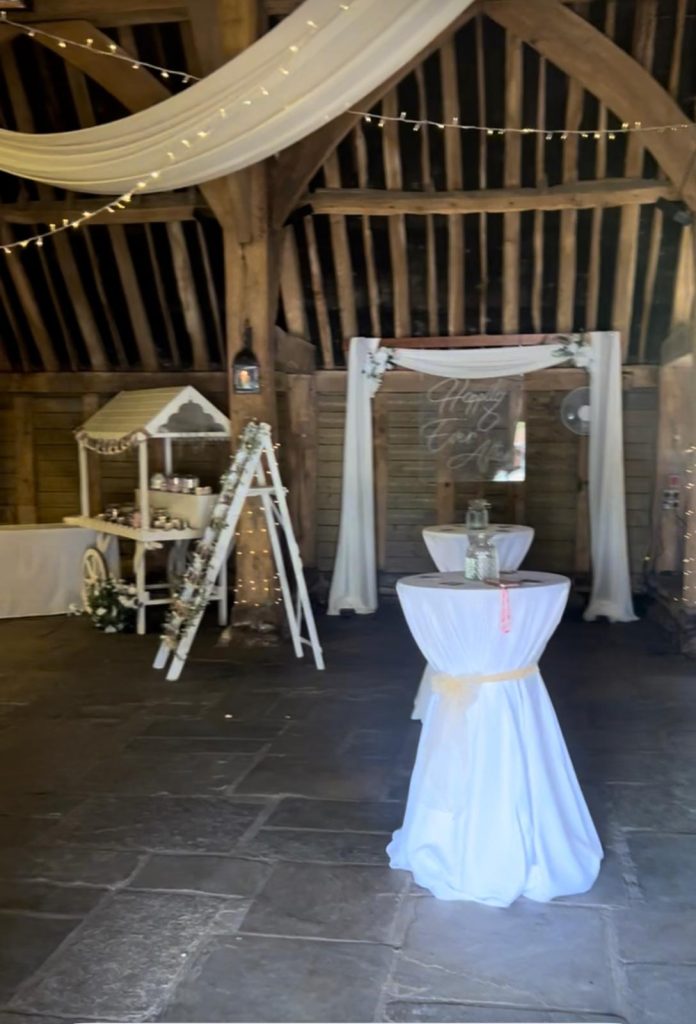
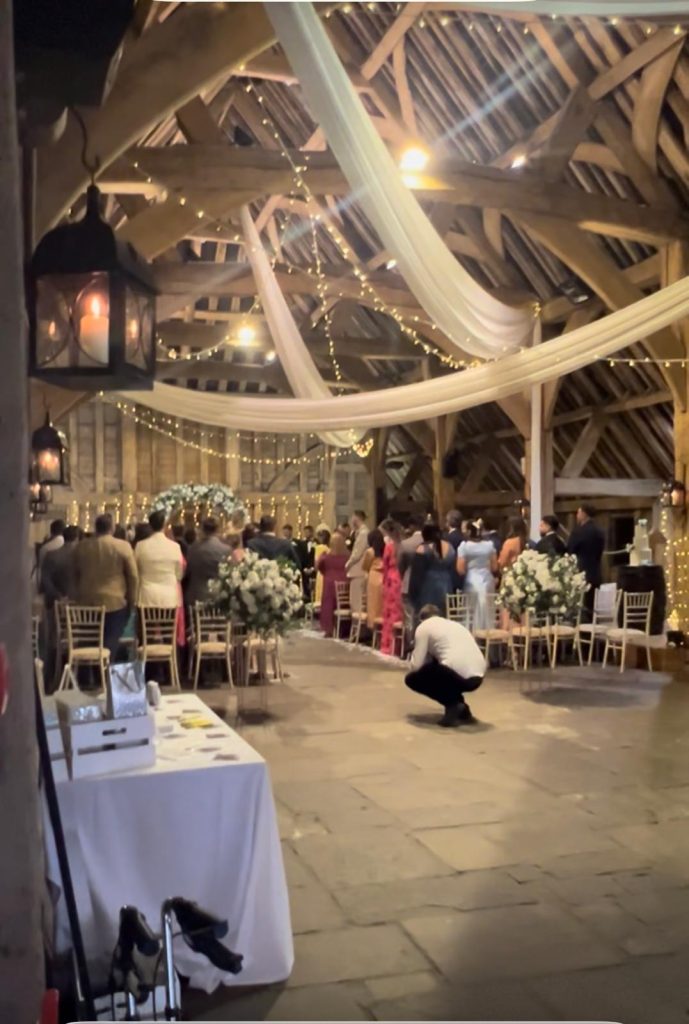
2. Barn & Converted Farm Weddings
Converted barns and farm venues have become extremely popular for countryside weddings.
They offer a relaxed atmosphere, plenty of character and fantastic opportunities for photographs, particularly during the summer months.
Advantages
Barn venues can provide much more freedom than a traditional hotel ballroom. Exposed beams, countryside views and large open spaces allow couples to create a very personal wedding style.
They can work particularly well for rustic, relaxed and less formal celebrations.
Things to Consider
Don’t automatically assume that a barn wedding will be cheaper than a hotel.
Some venues operate on a dry-hire basis, meaning you may need to arrange catering, furniture, decoration, bar services, entertainment and other suppliers separately.
Location is another important consideration. A beautiful barn may be several miles from the nearest town, hotel or railway station.
Transport Tip
For rural weddings, think about your guests as well as the bride and groom.
Local taxis can be limited late at night, particularly when 50, 80 or 100 guests all want to leave at approximately the same time. A pre-arranged minibus, coach or shuttle service between the venue and nearby hotels can make a significant difference.
3. Country House, Manor & Stately Home Weddings
For a traditional British wedding, it is difficult to beat a beautiful country house or stately home.
Long driveways, landscaped gardens, historic architecture and impressive entrances provide an elegant setting for both the ceremony and wedding photography.
Advantages
The surroundings often provide the decoration themselves. Gardens, staircases, historic rooms and impressive façades can create beautiful photographs without requiring huge amounts of additional decoration.
Many country houses also offer exclusive use, giving the wedding a much more private atmosphere.
Things to Consider
Country houses can be more expensive, particularly when exclusive use is required.
Some historic properties also have restrictions regarding decorations, candles, fireworks, entertainment, catering suppliers and finishing times.
Accommodation may be available on site, but not necessarily for all your guests.
Transport Tip
This is where the choice of wedding car can become part of the overall look of the wedding.
A classic Rolls-Royce or Bentley arriving outside a traditional manor house creates a completely different atmosphere from a modern vehicle. For a more contemporary luxury wedding, a modern Rolls-Royce Phantom or Mercedes-Benz can provide the same sense of occasion in a different style.
4. Castle & Palace Weddings
For couples looking for maximum impact, a castle or palace can provide one of the most memorable wedding settings available.
Historic halls, grand staircases, courtyards and formal gardens create an atmosphere that is very difficult to reproduce elsewhere.
Advantages
The biggest advantage is undoubtedly the wow factor.
A palace or castle can turn the venue itself into one of the main features of the wedding. It can also provide exceptional locations for photography.
Things to Consider
These venues can be expensive and may operate under strict rules because of the historic nature of the property.
Access times, approved suppliers, decorations, music, parking and vehicle access may all be controlled by the venue.
Ask about these restrictions before paying your deposit rather than discovering them several months later.
Transport Tip
Always check exactly where wedding vehicles are permitted to stop.
At some historic venues, the beautiful main entrance you see in photographs may not necessarily be accessible by car. Ask the venue where the bridal car can arrive and whether there is enough space for larger guest vehicles such as minibuses and coaches.
5. Orangery & Glasshouse Weddings
An orangery or glasshouse offers an attractive compromise between an indoor and outdoor wedding.
Large windows and glass roofs can provide beautiful natural light while still giving guests protection from unpredictable British weather.
Advantages
These venues can be spectacular during daylight and particularly attractive during spring and summer.
They also work extremely well with gardens, allowing the ceremony, drinks reception and photographs to flow naturally between indoor and outdoor spaces.
Things to Consider
Temperature is worth asking about.
Historic orangeries and glass structures may have limitations on heating or air conditioning. On a very warm summer afternoon, this can become important.
Also consider what happens if heavy rain prevents guests from using the gardens. Is there sufficient indoor space for everyone?
6. Vineyard & Winery Weddings
You don’t have to travel to France or Italy to have a vineyard wedding.
The UK now has a growing number of vineyards offering weddings and private events, particularly across southern England.
Advantages
Vineyards offer beautiful countryside scenery and something slightly different from the traditional hotel or country house.
They can be especially attractive for outdoor ceremonies, summer receptions and wedding photography.
Wine produced at the venue can also become part of the experience.
Things to Consider
As with barn weddings, location is important.
Vineyards are often in rural areas where public transport and local taxis are limited. Accommodation may also be some distance away.
Outdoor plans should always have a realistic alternative in case the weather changes.
Transport Tip
If most guests are staying at one or two hotels, consider arranging a coach or minibus to take everyone to the vineyard and return them after the reception.
It is much easier than expecting dozens of guests to organise individual taxis late at night.
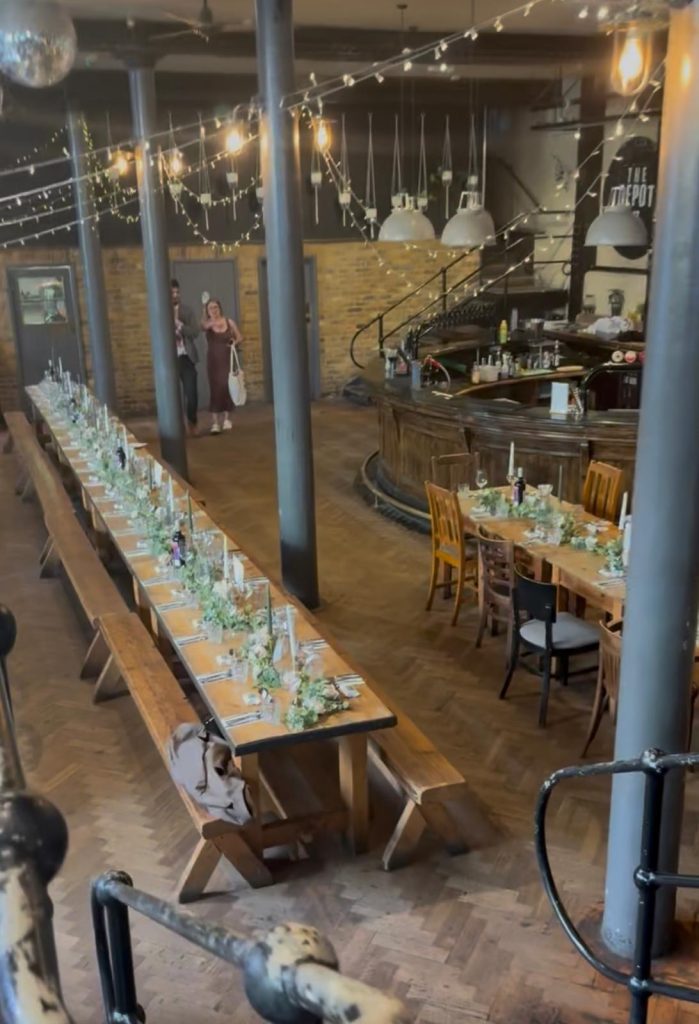
7. Pub, Gastro Pub & Restaurant Weddings
Not every wedding needs 150 guests and a huge ballroom.
For smaller celebrations, a good restaurant, country pub or gastro pub can provide a relaxed and intimate alternative.
Advantages
Food is often one of the strongest points.
The venue already has a kitchen, bar, staff, furniture and much of the infrastructure required for an event, which can reduce the amount of organisation involved.
For a smaller wedding, spending less on the venue may also leave more of the budget available for photography, entertainment, honeymoon or one particularly special wedding car.
Things to Consider
Space can be limited.
Check whether there is sufficient room for a ceremony, dinner, dancing and entertainment, and whether the venue will be completely private.
Parking and nearby accommodation should also be considered.
8. Marquee, Garden & Private Estate Weddings
A marquee wedding can offer perhaps the greatest freedom of all.
Whether it is held in the grounds of a family home, on a private estate or in a large garden, almost every aspect can be personalised.
Advantages
You control the layout, decoration, catering, entertainment and atmosphere.
A marquee can also accommodate larger guest numbers where an existing building might be too restrictive.
Things to Consider
The freedom comes with additional responsibility.
You may need to organise the marquee, flooring, lighting, electricity, heating, toilets, furniture, catering, bar, staff and waste collection separately.
And don’t forget the British weather.
A beautiful field in July still needs a sensible wet-weather plan.
Parking and access for suppliers, wedding cars and coaches should also be considered before confirming the venue.
9. London Landmark, Museum & Historic City Venues
For couples who prefer the city to the countryside, London and other major UK cities offer another completely different style of wedding.
Historic halls, museums, galleries and landmark buildings can provide spectacular surroundings without requiring guests to travel into the countryside.
Advantages
Public transport, hotels and entertainment are usually readily available.
For international guests, a central London wedding can also be particularly convenient.
Things to Consider
Traffic, parking and vehicle access can be challenging.
Some venues have strict loading and drop-off arrangements, while others may have very limited space immediately outside the entrance.
This should be discussed with both the venue and your wedding transport provider well before the wedding day.
The Hidden Costs Couples Often Forget
When comparing wedding venues, don’t look only at the advertised hire price.
A venue that initially appears cheaper can ultimately cost considerably more once everything else is included.
Before booking, consider costs such as catering, drinks and corkage, furniture hire, decoration, additional staffing, security, accommodation, parking, late-finish charges, cleaning and transportation.
Guest transport is particularly easy to overlook.
A remote venue may save money on the initial hire price but require several coaches or minibuses to transport guests between hotels, the ceremony and reception.
By contrast, a more expensive hotel with accommodation on site may reduce transportation costs considerably.
The important figure is therefore not simply the venue hire price, but the total cost of making that venue work for your wedding.
Don’t Choose Your Wedding Transport Until You’ve Chosen Your Venue
Your wedding venue and wedding transport should work together.
A classic Rolls-Royce or Bentley can look completely at home outside a stately home, manor house or traditional church.
A modern Rolls-Royce Phantom, Mercedes-Benz S-Class or Range Rover may complement a contemporary hotel or luxury city wedding.
For a countryside barn, vineyard or private estate, guest transportation can become just as important as the bridal car. A minibus, executive coach or traditional London Routemaster can transport groups together and prevent guests worrying about taxis, parking or driving after the reception.
Before booking transport, consider the complete journey:
Where will the bride and groom start the day? Where is the ceremony? Where is the reception? Where are the majority of guests staying? And, importantly, how will everybody get home afterwards?
Answering these questions early can save a surprising amount of stress on the wedding day.
10 Questions to Ask Before Booking Your Wedding Venue
Before paying a deposit, ask the venue:
- Is the venue exclusive-use on our wedding day?
- What exactly is included in the quoted price?
- Are we required to use approved suppliers?
- What is the maximum number of guests for the ceremony and reception?
- Is accommodation available on site or nearby?
- What happens if it rains?
- What time must music and the reception finish?
- Is there sufficient parking?
- Can wedding cars, minibuses and coaches access the main entrance?
- How will guests get back to their hotels at the end of the evening?
That final question is often forgotten until surprisingly late in the planning process.
Which Types of Wedding Venues UK Couples Should Consider?
There is no perfect venue for every couple.
Choose a hotel if convenience and accommodation are priorities.
Choose a barn if you want countryside character and flexibility.
Choose a country house or stately home for traditional elegance and beautiful surroundings.
Choose a castle or palace if you want history and maximum impact.
Choose an orangery for natural light and a connection with gardens.
Choose a vineyard for a relaxed countryside celebration with something a little different.
Choose a pub or restaurant for a smaller, more intimate wedding.
Choose a marquee or private estate if you want maximum freedom to create the wedding yourself.
And choose a London landmark or historic city venue if accessibility and a city atmosphere are more important than countryside surroundings.
Whatever venue you choose, look beyond the photographs. Think about the complete day — your guests, accommodation, weather, catering, accessibility and transport — before making the final decision.
Wedding Car & Guest Transport
At Lux Wedding Car Hire, we provide wedding transport across London, Kent and the surrounding areas, from classic and modern wedding cars to minibuses and coaches for larger groups.
Our fleet includes classic Rolls-Royce and Bentley wedding cars, modern luxury vehicles, traditional London taxis, minibuses and larger wedding guest transport.
Whether you need one special bridal car for a hotel wedding or transportation for a large group travelling between hotels, a church and a countryside venue, planning the transport alongside your venue can make the wedding day considerably easier.
Planning your wedding transport? Contact Lux Wedding Car Hire to discuss your venue, itinerary and number of guests.